

Summer Roof Maintenance in Arizona: Homeowner Checklist
Every Arizona summer runs the same test on your roof, and it doesn’t grade on a curve. Months of triple-digit heat bake the surface from above, an attic that can top 150 degrees cooks it from below, and then monsoon storms show up with wind, blowing dust, and sudden downpours to find whatever the heat loosened. Most roofs that fail in July or August were already giving signs back in April. Summer roof maintenance isn’t complicated, and a lot of it you can check yourself without ever climbing a ladder. Here’s a practical roof maintenance checklist for Phoenix area homes, what to watch for on tile, shingle, and foam roofs, and when it makes sense to call in a pro.
The short version, if you’re skimming:
- Spring is the best time for summer roof maintenance. Once the heat and monsoon season arrive, small problems get bigger fast and roofers’ schedules fill up.
- Start inside: ceiling stains, a musty smell, or light in the attic tell you a lot about what’s happening on the roof.
- Do your outside check from the ground or a ladder at the gutter line. Walking on a hot roof, especially tile, is dangerous for you and hard on the roof.
- Clear gutters, valleys, and roof drains before monsoon season so storm water has somewhere to go.
- Tile, shingle, and foam roofs each wear differently in the heat, so the warning signs are different too.
- If you spot damage, get it repaired before the first monsoon storm, not after it.
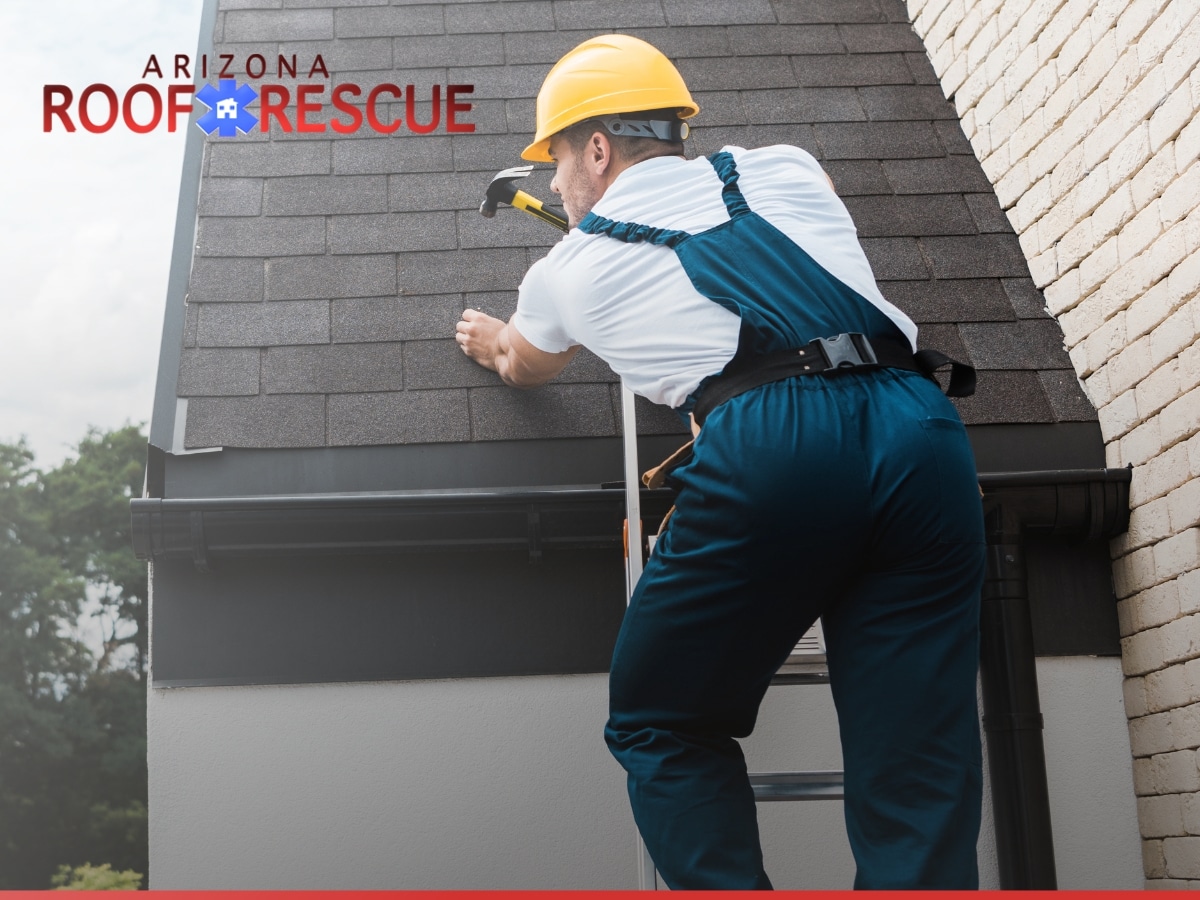
Why Summer Roof Maintenance Matters In Arizona
Heat here isn’t a few bad weeks. In 2024, Phoenix logged 113 straight days at 100 degrees or hotter, shattering the old record of 76 days set in 1993. That kind of stretch is a marathon for roofing materials.
The roof surface runs much hotter than the air. The U.S. Department of Energy notes that a conventional roof can reach 150 degrees or more on a sunny summer afternoon. Day after day, that heat dries out asphalt, breaks down sealants and underlayment, and makes materials expand in the afternoon and contract overnight. Over time that movement loosens fasteners, opens up seams, and cracks anything that was already brittle.
Then the weather turns. The National Weather Service sets Arizona’s official monsoon season as June 15 through September 30, right on top of the hottest months.
Those storms can be violent. On August 9, 2026, a storm across the West Valley produced an 84 mph wind gust near Buckeye, and the Weather Service documented roof parts blown off homes from Tolleson to Avondale and Goodyear. A roof that spent June getting baked is the same roof that has to hold up to that in July and August, which is why we push so hard on repairing your roof before monsoon season.
When To Do Summer Roof Maintenance
The sweet spot is spring, roughly March through May. Temperatures are still comfortable for roof work, materials like sealants and coatings cure the way they should, and you have time to schedule repairs before monsoon season starts. Roofers in the Valley get busy once storms begin, and a small leak that needs fixing in late July often has to wait in line behind emergency calls.
If summer is already here, don’t skip it. A mid-season check still catches problems before the bigger storms of July and August. And if your roof came through a rough monsoon, a fall look is smart too, so you’re not carrying storm damage into next year.
Your Summer Roof Maintenance Checklist
You don’t need to get on the roof to do most of this roof maintenance checklist. In fact, we’d rather you didn’t (more on that below).
1. Start Inside: Ceilings, Walls, And Corners
Walk through the house and look up. Water stains, bubbling or peeling paint, sagging drywall, and spots around light fixtures or vents are all signs that water has found a way in. Pay extra attention to rooms under valleys, chimneys, skylights, and rooftop AC units, since those are the most common leak points. A stain that showed up after last monsoon season and was never fixed is worth checking now.
2. Check The Attic For Heat, Light, And Moisture
If you can safely reach your attic, go up early in the morning before it heats up. Look for daylight coming through the roof deck, dark or damp spots on the wood, and any musty smell. Notice how the air feels, too. An attic that stays stifling even in the morning may not be venting heat the way it should, and poor roof ventilation shortens the life of the roof and drives up cooling bills at the same time. While you’re up there, check that the insulation hasn’t thinned out or gotten wet, since the right attic insulation is a big part of keeping summer heat out of the house.
3. Look Over The Roof From The Ground
Stand back from the house, or across the street, and scan the roof line. A pair of binoculars helps. You’re looking for cracked, slipped, or missing tiles, shingles that are curling, cracked, or bare of granules, sagging areas, and anything that looks out of place. On flat and low-slope roofs you can sometimes spot problems from a second story window or a ladder at the edge without stepping onto the roof.
4. Clear Gutters, Valleys, And Roof Drains
Monsoon storms can drop a lot of water in a short time, and it has to go somewhere. Leaves, dust, and debris that pile up in gutters, valleys, and flat roof drains cause water to back up under roofing materials or pool on the roof. Clean them out before June, make sure downspouts flow freely, and check that gutters are still firmly attached. Our post on gutters and your Phoenix roof goes deeper on this.
5. Check Flashing, Vents, And Rooftop Equipment
Flashing is the metal around chimneys, vents, skylights, and walls, and it’s where a lot of leaks start. Heat cracks the sealant around it, and it can lift or pull away over time. If you have a rooftop AC unit or solar panels, the curbs and mounts are worth a close look as well, since every penetration through the roof is a spot that has to stay sealed. If you’ve had an AC unit replaced recently, it’s smart to check for leaks around the new curb.
Tile Roof Maintenance And Other Arizona Roof Types
Arizona homes use a mix of roofing materials, and summer heat wears on each one differently.
Tile Roof Maintenance
Tile is everywhere in the Valley for good reason: it handles heat well and lasts a long time. But here’s what a lot of homeowners don’t realize. The tiles mostly shed water, and the real waterproofing is the underlayment beneath them. Years of heat dry that underlayment out until it cracks and lets water through, even when the tiles on top look fine. Broken or slipped tiles expose it to sun and rain faster, so good tile roof maintenance means replacing damaged tiles quickly and keeping an eye on underlayment age. If your tile roof is 20 years old or more, read up on whether you need a new tile roof or just an underlayment replacement, or see our tile roofing services.
Shingle Roofs
Asphalt shingles take the most direct beating from the sun. Watch for curling edges, cracks, blistering, and bare spots where the protective granules have worn off, which you may also notice washing into your gutters. Loose or brittle shingles are the ones monsoon winds peel off first. If you’re not sure how yours will hold up, here’s more on whether a shingle roof can hold up against the monsoon.
One thing to avoid: painting or coating an existing shingle roof to make it reflect more heat. The Department of Energy points out that coating asphalt shingles in the field isn’t normally approved by shingle manufacturers and may void the warranty.
Foam And Flat Roofs
Spray foam roofs are a smart choice for Arizona, but the foam itself depends on its coating. Once the coating wears thin, UV breaks down the foam underneath. Look for chalky or thin areas, exposed tan or brown foam, blisters, cracks, and spots where water sits for days after a rain. A foam roof with a worn coating can often be recoated rather than replaced, which costs a lot less if it’s caught in time. Learn more about how monsoon weather affects foam roofs.
On other flat roofs, check for cracked seams, blistered membranes, and clogged scuppers or drains.

How To Keep Your Roof Cool In Summer
A cool roof uses reflective materials or coatings to bounce more sunlight away instead of soaking it up. According to the Department of Energy, a reflective roof can stay more than 50 degrees cooler than a conventional one under the same summer sun, which means less heat moving into your attic and your living space. In a climate like ours, that takes real pressure off your air conditioner.
How you get there depends on your roof. Foam roof coatings are usually reflective already. Light or cool rated tiles and shingles are options when it’s time to replace, and the Cool Roof Rating Council keeps a directory of rated roofing products if you want to compare.
If you’re planning a residential re-roof in the next few years, it’s a good time to talk about cooler materials.
Summer Roofing Tips: What Not To Do
- Don’t climb on the roof at midday. Roof surfaces get hot enough to burn skin, and heat exhaustion on a roof is a fall waiting to happen. If someone has to go up, early morning is the time.
- Don’t walk on tile. Concrete and clay tiles crack under foot traffic, and one cracked tile can turn into a leak. Leave it to a roofer who knows where to step.
- Don’t pressure wash the roof. High pressure can strip shingle granules, damage foam coatings, and drive water under tiles.
- Don’t patch over a problem and forget it. A dab of sealant from the hardware store might buy you a week. It won’t hold up to a full summer of heat and a monsoon storm.
- Don’t hire the first storm chaser who knocks. After big storms, door-to-door “roofers” show up fast. The Arizona Registrar of Contractors urges homeowners to check the contractor’s license before signing anything.
What Our Customers Say
Arizona Roof Rescue holds a 4.7 star rating from 49 reviews on our Google Business Profile. You can read more on our reviews page.
“Arizona Roof Rescue came to my rescue yesterday! I would highly recommend them to anyone looking for repairs on their roof! They gave me a very reasonable rate and completed the job next morning before the winds and storms came again. Alan and his crew were friendly, experienced and meticulous in finding all problem areas that required repair. Don’t hesitate to call them, I would not go with anyone else!!”
Patricia Razo
Google Review
“Alan was professional, fair and great to work with. Our roof is 20 years old and we really didnt want to buy a whole new roof. He inspected it, took us up on the roof and showed us what issues there were, as we had minor leak. They fixed the area, inspected, cleaned and fixed addional areas, showed us what they were doing as they were doing it and provided us with a great price that was more than reasonable. I have no doubt we made out. I highly recommend Az Roof Rescue.”
Brian E
Google Review
“I can’t recommend Alan and Arizona Roof Rescue enough! They did an absolutely fantastic job on my roof, going above and beyond in every way. From start to finish, their professionalism, honesty, and attention to detail were unmatched. They offered a fair, reasonable price without ever cutting corners, and you can really tell they care about the quality of their work. If you want a roof job done right, with integrity and excellence, Alan and his team are the ones to call!”
Rick Hutchinson
Google Review
Summer Roof Maintenance FAQs
When Is The Best Time For Summer Roof Maintenance In Arizona?
Spring, roughly March through May, is ideal. It’s comfortable enough to work on the roof, repair materials cure properly, and you can get repairs done before monsoon season officially begins on June 15.
How Often Should You Inspect Your Roof?
A professional inspection once a year is a good rule of thumb for most Arizona homes, plus a look after any major storm. Older roofs and foam roofs benefit from closer attention. Here’s more on how often you should get a roof inspection.
How Hot Does A Roof Get In The Summer?
Hotter than most people expect. The Department of Energy says a conventional roof can reach 150 degrees or more on a sunny summer afternoon, and in Phoenix those afternoons stack up for months. Attic temperatures climb right along with it, which is why ventilation and insulation matter so much here.
Can Heat Alone Cause A Roof Leak?
Heat usually doesn’t create the leak by itself, but it does the setup work. It dries out underlayment, cracks sealants around flashing, and makes shingles brittle. Then the first hard monsoon rain finds those weak spots.
How Do I Inspect My Roof In The Summer Safely?
Most of it can be done from inside the house, the attic (early in the morning), and the ground with binoculars. We don’t recommend walking on your roof in summer, and never on a tile roof. If something looks off, it’s safer and usually cheaper in the long run to have a licensed roofer take a closer look.
Should I Repair Or Replace My Roof Before Monsoon Season?
It depends on the roof’s age and condition. Many problems, like a few broken tiles, lifted flashing, or a worn foam coating, are straightforward roof repairs. If the roof is near the end of its life or problems keep coming back, replacement may make more sense. An inspection tells you which one you’re dealing with.
Does Homeowners Insurance Cover Monsoon Roof Damage?
It depends on your policy and the cause of the damage. Sudden storm damage is often treated differently than wear and tear from age or skipped maintenance, so keeping up with repairs matters. Check your policy and talk to your agent, and see our post on whether homeowners insurance covers an Arizona roof repair.
How Do I Check A Roofer’s License In Arizona?
The Arizona Registrar of Contractors offers a free contractor search, and it recommends making sure the license is current on the day you sign. Arizona Roof Rescue is licensed, bonded, and insured under AZ ROC License #264597.
Schedule A Roof Inspection With Arizona Roof Rescue
We’ve been working on roofs across the Phoenix metro for years, from Glendale and Peoria to Phoenix and the rest of the West Valley, and we see what an Arizona summer does to tile, shingle, and foam roofs up close. If you’d like a second set of eyes before the heat and storms arrive, or you’ve already spotted something that doesn’t look right, our Phoenix roofing company is happy to take a look and give you a straight answer on what needs attention now and what can wait. Contact us to schedule a roof inspection or call 602-242-2706.
 Blog Written By: Alan Monzon
6069 N. 57th Drive, Glendale, Arizona 85301
Office: 602-242-2706
Fax: 602-595-2704
Leave a Reply
You must be logged in to post a comment.